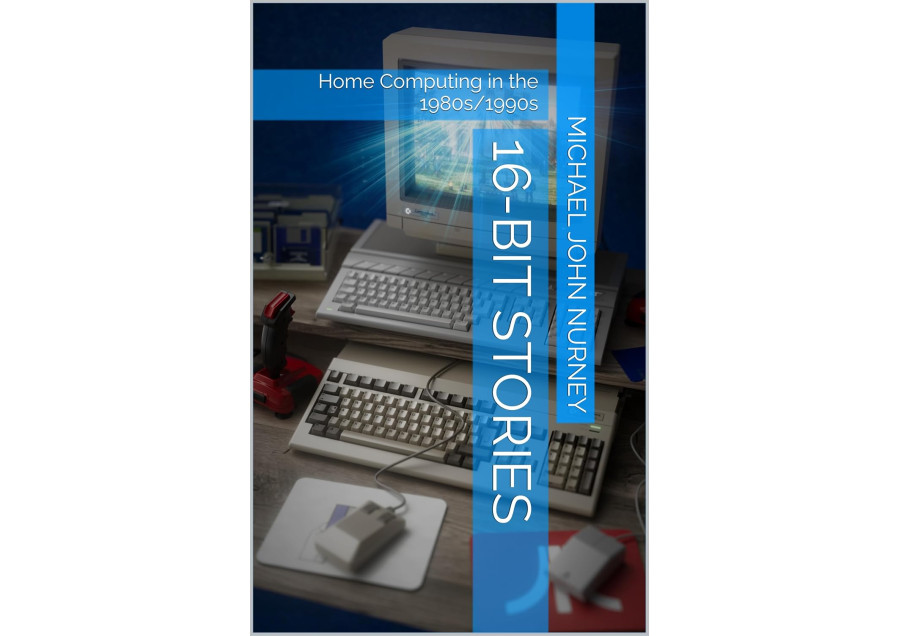
Author, Michael John Nurney, chronicles the tale of two computers.
The
Amiga and Atari ST were both popular 16-bit home computers in the late
1980s, the Amiga generally had a stronger reputation, especially for its
superior graphics and sound capabilities but the ST? It had a great
budget price. The Amiga's custom chips and blitter allowing for more
complex visuals and smoother video scrolling, while its sound chip
offered more channels and clear sampled sounds. However, the Atari ST
had its strengths, particularly its built-in MIDI interface, which made
it a favourite in the music industry, and its lower price point which
helped sell a lot of systems.
16-Bit home computing in the
1980s/1990s was primarily a battle between the Atari ST and Commodore
Amiga. The Atari ST was first to arrive on the UK home computer market
and it sold extremely well, but then came the Amiga but the Amiga was an
office computer, or so Commodore said. When it came to graphics and
sound capabilities, the Atari ST was inferior to the Amiga, but the ST
was more affordable, it was slightly faster but most of all, it was
available to buy in the shops. Commodore didn't just fumble the Amiga;
they actively chose to limit its appeal and then watched it fail, but
that changed when the cheaper A500 arrived in 1987.
There
was great conflict between Atari, which was bought by Jack Tramiel in
1984, and Commodore, which was founded by Tramiel in 1954. Jack quit
Commodore in 1984 and bought the bankrupt Atari in a move to avenge his
removal from his beloved Commodore. Meanwhile, Commodore bought Amiga
Corp. The same company had received money from Atari in order to design
video and audio chips for new Atari computers. However, in the end, the
deal fell through, and Commodore bought Amiga wholesale.
But
which computer would survive, who will be around in another ten years ?
Will the billion-dollar-making Commodore beat the new Atari Corp, or
will Jack have his revenge?
-
517 pages.